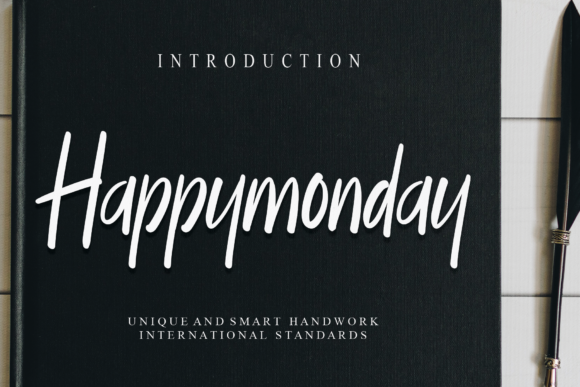
Happymonday: A Magical Script Font for Web Design
I was staring at a blank hero section for a boutique coaching website, trying to find the right balance between professionalism and warmth. The client wanted something that felt personal, like a handwritten note from a friend, but still polished enough for a digital storefront. That is when I pulled Happymonday into my design file. As a web designer who constantly searches for the perfect typeface to elevate a brand identity, finding a script font that works seamlessly in a responsive layout is rare. Happymonday immediately caught my eye with its elegant curves and magical touch, promising to turn a standard landing page into an engaging visual experience.
Bringing Elegance to Digital Hero Sections
The first test was placing Happymonday over a soft, textured background image in the main hero banner. In web design, the hero section is your digital handshake; it needs to grab attention instantly without overwhelming the user. Many script fonts struggle here because their intricate details get lost on smaller screens or clash with busy backgrounds. However, Happymonday stood out beautifully. Its strokes are confident yet fluid, creating a sense of movement that draws the eye naturally across the headline.
When I typed "Welcome to Your Journey" using this script amp, the text didn't just sit there; it felt alive. The elegance inherent in the design gave the site an immediate premium feel. It transformed a generic coaching site into a curated destination. For designers looking to create high-impact display font moments, Happymonday offers that perfect blend of whimsy and sophistication. It works exceptionally well for short phrases, titles, and key value propositions where you want to inject personality into the UI.
Readability and Responsive Layout Performance
A common concern with decorative fonts in web design is how they perform across different devices. I tested Happymonday on mobile viewports, tablet layouts, and desktop screens to ensure it held up under real-world conditions. On mobile, where screen real estate is precious, the font maintained its legibility even at slightly reduced sizes, provided the contrast with the background was sufficient. This is crucial for modern typography that needs to be accessible while remaining stylish.
However, as with any handwritten font, readability depends heavily on context. Happymonday shines in headers, call-to-action buttons, and pull quotes, but it is not designed for long-form body copy. Attempting to use it for paragraphs of text would hinder scanning behavior and frustrate users trying to consume content quickly. My advice is to reserve Happymonday for the emotional hooks of your site—the headlines that make people stop scrolling. Pair it with a clean, neutral typeface for the rest of the content to maintain a strong visual hierarchy.
Strategic Font Pairing for Brand Consistency
To truly make Happymonday work in a professional setting, font pairing is essential. During the project, I paired it with a simple, geometric sans serif font for the body text and navigation menus. The contrast between the organic, flowing lines of Happymonday and the structured, rigid lines of the sans serif created a dynamic tension that felt modern and intentional. This combination allowed the script to pop without making the entire interface feel chaotic.
For clients aiming for a more editorial look, I also experimented with pairing Happymonday with a classic serif font. This approach worked beautifully for lifestyle blogs and luxury e-commerce sites, evoking a sense of timeless style. Whether you are designing a portfolio homepage, a course sales page, or a promotional landing page, the key is to let Happymonday do the heavy lifting on emotion while your secondary font handles the information delivery. This strategy ensures your brand identity remains consistent and professional across all digital touchpoints.
Practical Applications for Digital Products
- Landing Page Headlines: Use Happymonday to create memorable, emotive headlines that convert visitors into leads.
- Social Media Graphics: Export designs featuring the font for Instagram stories or Facebook ads to maintain cross-platform consistency.
- Digital Brand Kits: Include the font in your logo design assets for email signatures and watermarks.
- Course Sales Pages: Highlight module titles or student testimonials with a touch of personal flair.
- Blog Headers: Add a creative twist to article titles to differentiate your blog from competitors.
Technical Considerations for Developers and Designers
Before integrating Happymonday into a live website, it is vital to check the technical specifications. As a premium font, it comes with various file formats, which is great for flexibility. Ensure you have access to web-optimized formats like WOFF2 for faster loading times, which is critical for Core Web Vitals and overall site performance. Slow-loading fonts can ruin even the most beautiful design, so optimizing these assets is a non-negotiable step in the development process.
Additionally, review the included styles, alternates, ligatures, and swashes. These features allow for customization, letting you tweak specific letters to fit your layout perfectly. For example, a unique initial letter can serve as a powerful design element in a sidebar or footer. Also, verify multilingual support if your target audience is global. Finally, always double-check the commercial font licensing. If you are building a site for a client or selling digital templates, ensure the license covers web usage and commercial distribution to avoid legal complications down the road.
Where Happymonday Might Not Fit
While Happymonday is a versatile asset, it is not a one-size-fits-all solution. It is generally unsuitable for dense dashboard layouts, complex data tables, or interfaces requiring high accessibility compliance for visually impaired users. Small navigation links, form labels, and error messages should stick to highly legible sans serif options. Using a decorative script in these areas can confuse users and degrade the user experience (UX).
In summary, Happymonday is a standout choice for web designers who want to infuse their projects with character and charm. It bridges the gap between the warmth of hand-lettering and the precision required in web design. When used strategically in headers, banners, and branding elements, it elevates the perceived quality of a site and creates a memorable connection with the audience. Whether you are launching a new online store or redesigning a personal portfolio, this creative font has the potential to make your digital presence truly shine.